Home › Research › Performance & Equipment
Sports Performance & Equipment Functionality
Connecting what an athlete produces with what their equipment actually does — and measuring both under conditions the sport really imposes.
A product specification describes how an item was built. It does not describe how it performs once an athlete is using it, tired, at speed, and in the weather. This area of the Joint Laboratory measures the second thing: the functional behaviour of sports equipment in the hands and on the bodies of the people who use it.
Work runs on both sides of the pairing. Performance studies characterise the athlete — the forces they generate, the positions they hold, the effort they expend and how that changes with fatigue and over a season. Equipment studies characterise the gear — its resistance, its compliance, its grip, its protection and its stability — and then relate the two, so a design change can be justified by what it does to the outcome rather than by intuition.
Typical studies
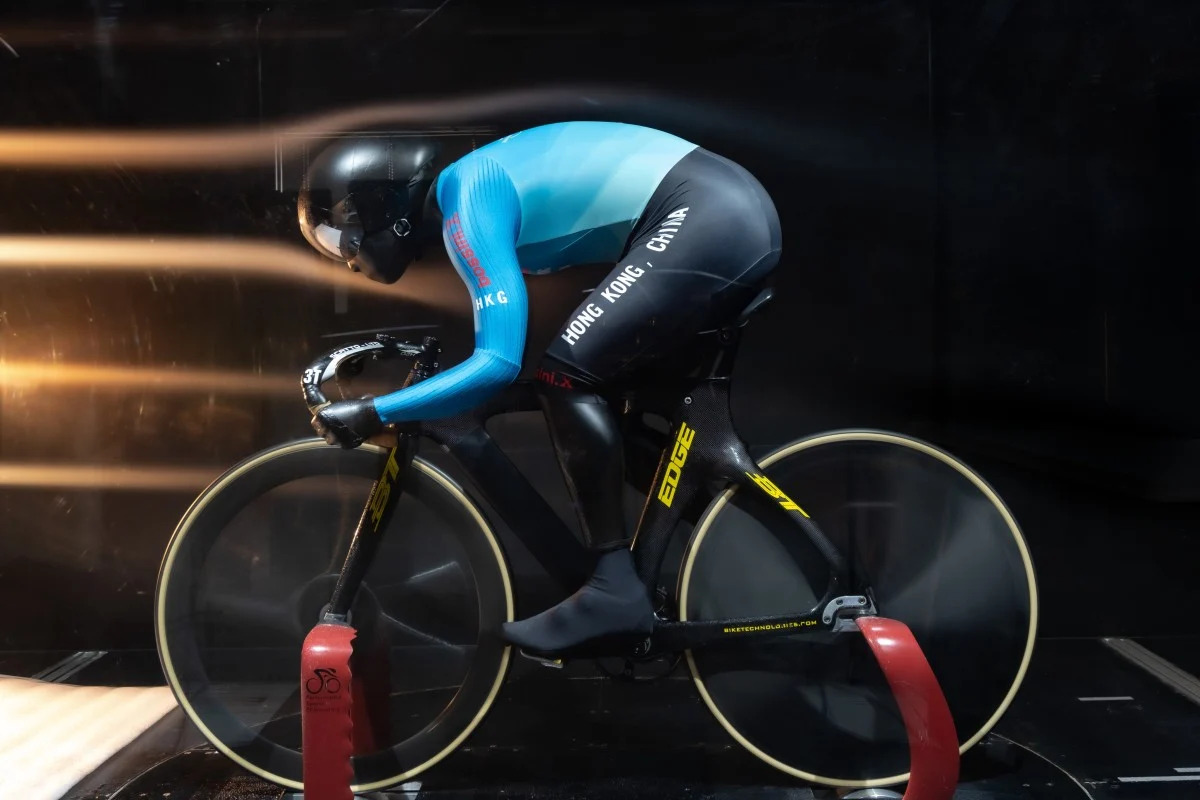
- Cycling: riding position, wheel and frame selection, and suit drag, quantified against the power a rider must hold.
- Running: shoe and surface interaction, and the metabolic cost of a given pace in different equipment.
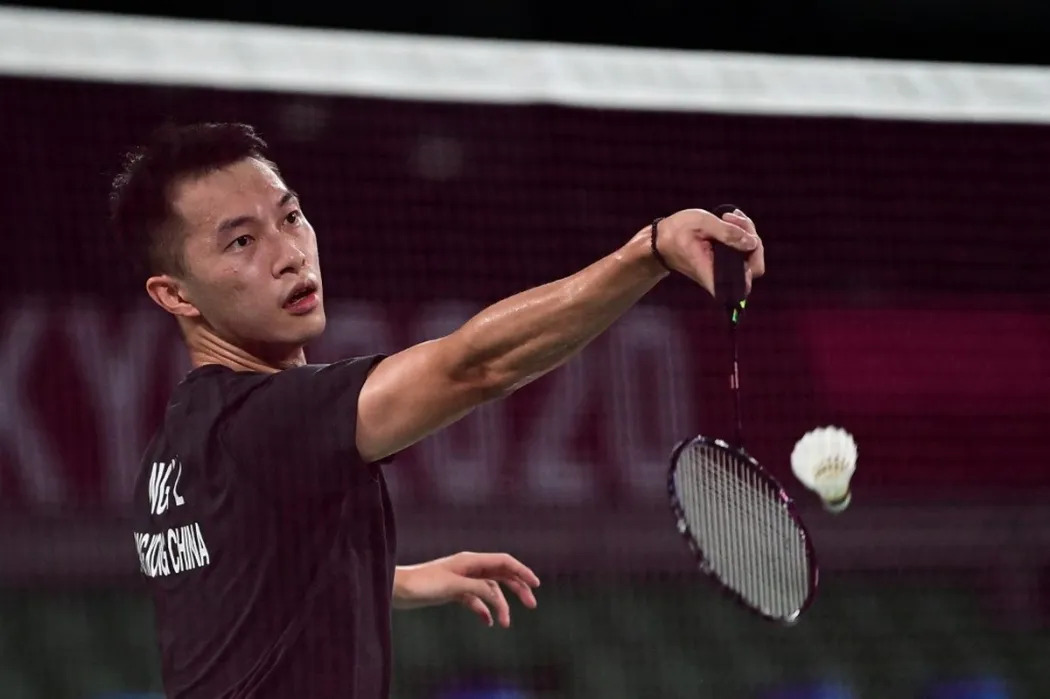
- Racket sports: how string bed, racket head and shuttlecock design change shot speed, accuracy and repeatability.
- Water and wind sports: how equipment set-up tracks the conditions an event is actually held in.
- Protective equipment: how guards, helmets and padding behave under realistic impact, and what they cost the wearer in freedom of movement.
Instrumentation
Studies combine force plates and instrumented equipment, wearable sensor suites, motion capture, and flow measurement from the Laboratory's wind tunnel and fan array. Data from the same session on the same athlete is analysed as a whole, which is what makes it possible to attribute a change in outcome to a specific cause.
Findings are written for two audiences: a technical record for designers and engineers, and a short, actionable summary for athletes and coaches.