Home › Research
Research
The Joint Laboratory pursues the areas of collaboration set out in the memorandum of understanding between HKUST and Li-Ning Group, supported by a structured talent development mechanism.
Together these areas cover the path from measurement to product: characterising the flow, load and motion a sport places on an athlete and their equipment; modelling what that means for performance; and translating the result into equipment design, materials selection and ergonomic fit.
The disciplines behind the work
The Joint Laboratory drives technological research and development in mechanical and aerospace engineering, materials science, artificial intelligence, and data analytics, with a view to achieving breakthroughs in the application of sports science.
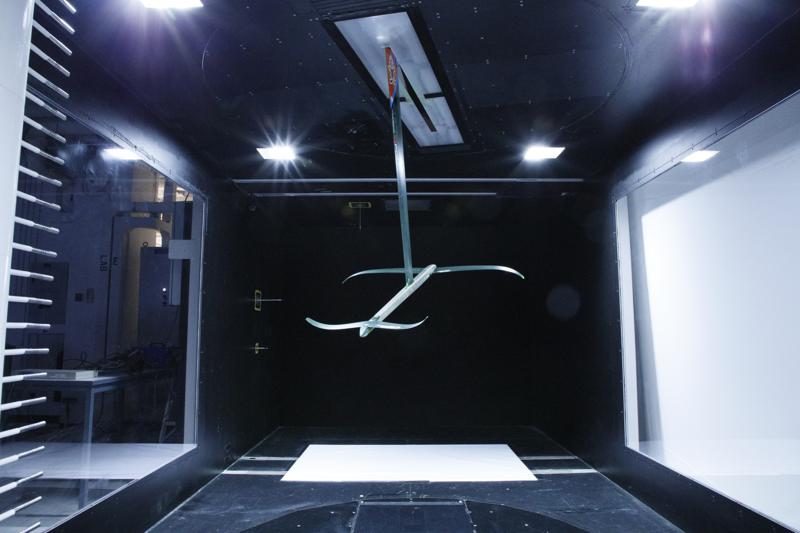
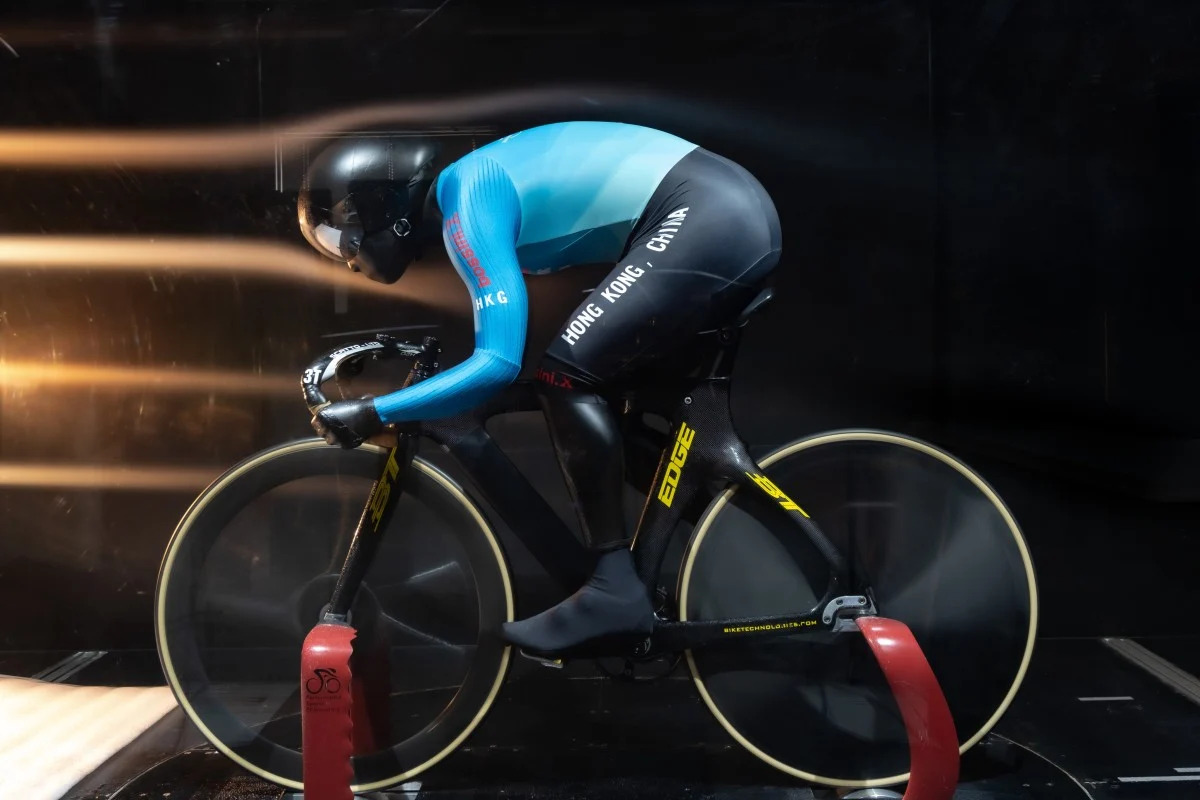
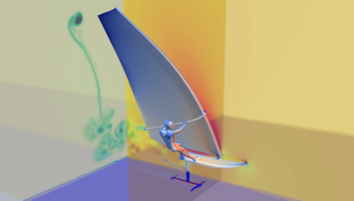
- Mechanical and aerospace engineering — aerodynamics, aeroacoustics, dynamics and structural behaviour of sports equipment.
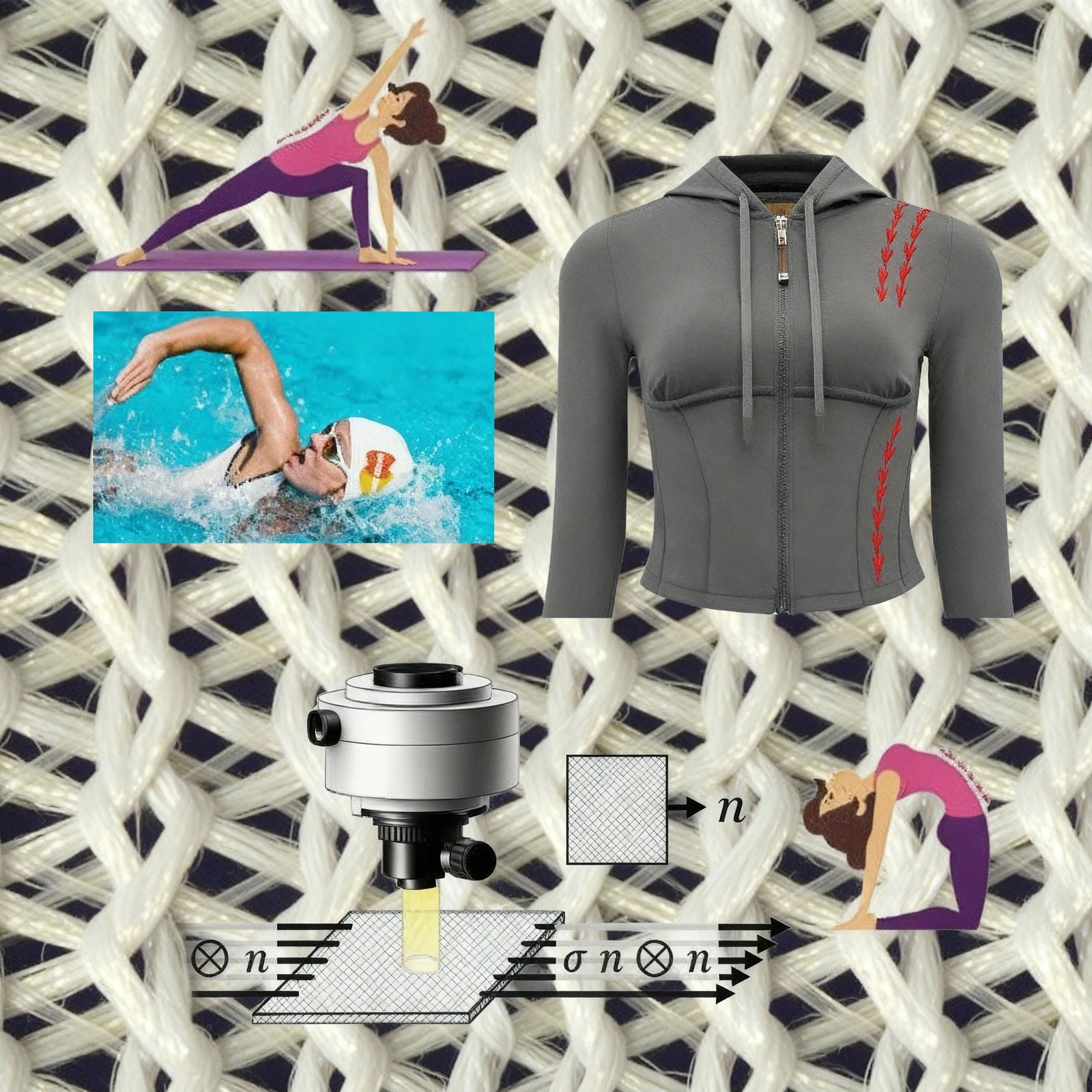
- Materials science — fabrics, foams, composites and surface treatments, and how they behave under real sports loading.
- Artificial intelligence — models learned from captured motion and sensor data to describe and predict performance.
- Data analytics — turning instrumented training and testing campaigns into decisions athletes and designers can act on.
Most experimental work is carried out in the University's Aerodynamics and Acoustics Facility, which the Laboratory's Director also leads. See Facility for the instruments available to projects.