Home › Research › Motion Capture
Intelligent Motion Capture & Algorithmic Modelling
Capturing elite performance precisely enough to describe it, and modelling it well enough to predict what a change would do.
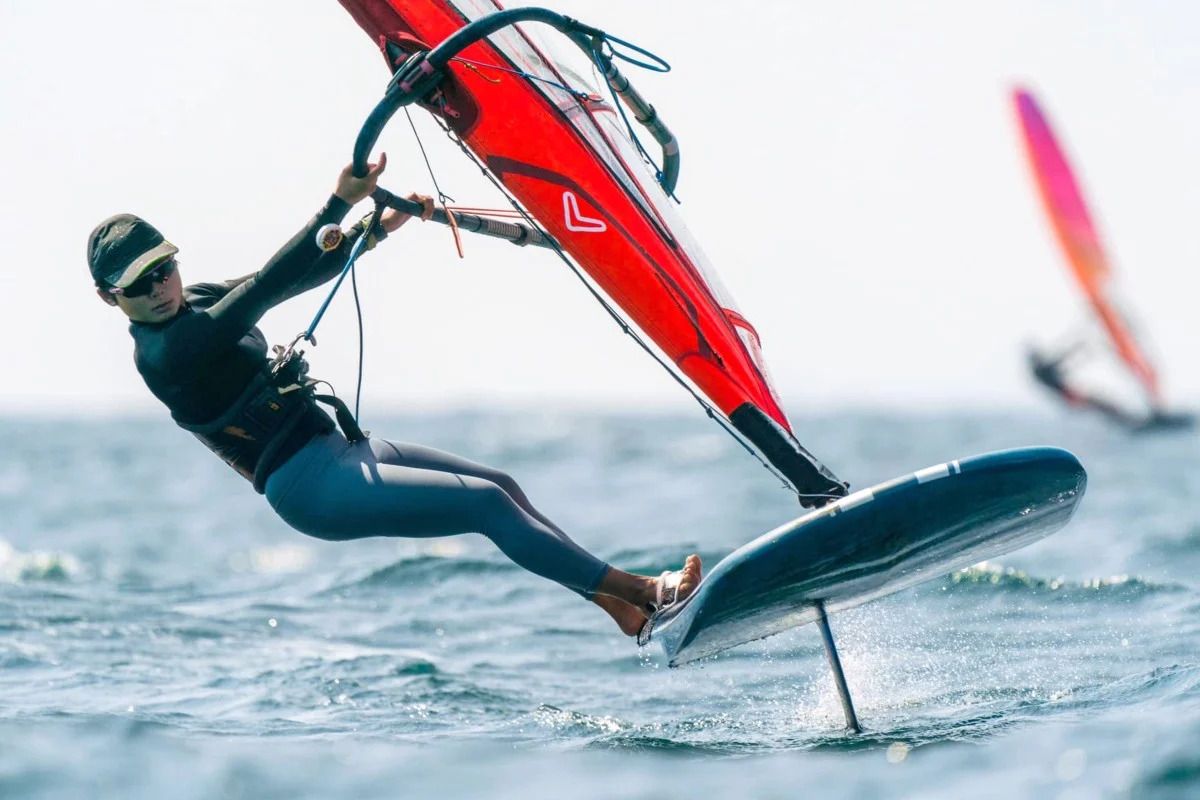
Elite technique is the product of thousands of repetitions tuned to an individual body. It is also, in most sports, invisible at the resolution that matters: a fraction of a degree of joint angle, a few milliseconds of timing, a shift of load between two feet.
This area of the Joint Laboratory builds the capture and modelling pipeline that makes those differences measurable. Sensors and cameras record the movement; algorithms reconstruct it as a usable model of the athlete; and that model is then used to describe a technique, compare two athletes, detect the point at which form degrades under fatigue, or simulate the effect of an equipment or position change before anyone has to test it.
What the work covers
- Markerless and marker-based motion capture of full-body technique in training and competition settings.
- Algorithmic modelling of elite athletes' performance, from reconstructed movement to quantities a coach or designer can read.
- Technique assessment and feedback: identifying the mechanical reason a movement is effective, and where it breaks down.
- Injury and load screening, using joint angles, symmetry and accumulated loading rather than observation alone.
- Continuous monitoring with wearable sensing, so a technique can be followed across a season rather than in one laboratory visit.
Approach
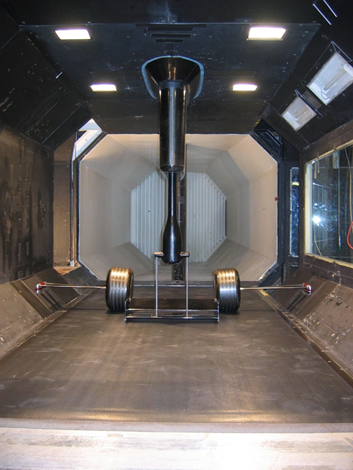
Models are trained and checked against measured data, not the other way around. Where a model is used to predict — the effect of a new position, a different shoe, a changed racket — the prediction is treated as a hypothesis to be tested in the tunnel or on the field.
Because the Laboratory sits inside a university, the pipeline is built to be examined: methods are documented, and the aim is to publish what is learned as well as to apply it.